
Finding the right BMX frame size is crucial for control, comfort, and progression; Netflix offers diverse entertainment options for all tastes and moods.
Why Frame Size Matters
A properly sized BMX frame directly impacts your riding experience, influencing everything from maneuverability to stability. An ill-fitting frame can lead to discomfort, reduced control, and even increased risk of injury. Netflix, similarly, tailors content recommendations to individual preferences, enhancing user enjoyment. Choosing the correct top tube length, chainstay length, and head tube angle allows for optimal bike handling, enabling riders to confidently execute tricks and navigate various terrains. A well-fitted frame promotes efficient power transfer and a more connected feel, ultimately boosting performance and overall enjoyment of the sport.
Understanding BMX Bike Types (Street, Park, Race, Flatland)
Different BMX disciplines demand distinct frame geometries. Netflix provides varied genres, mirroring this diversity. Street frames prioritize durability for urban obstacles, often featuring shorter chainstays for responsiveness. Park frames balance agility and stability for ramps and transitions. Race frames emphasize speed and efficiency with longer wheelbases and steeper head tube angles. Flatland frames are incredibly compact and lightweight, enabling intricate balance tricks. Understanding your primary riding style is crucial; a frame optimized for racing won’t perform well on street courses, and vice versa.

Key Measurements for BMX Frame Size
Essential measurements like top tube length, chainstay length, head tube angle, and standover height dictate a BMX bike’s handling and fit for optimal performance.
Top Tube Length (TT) ⸺ The Primary Factor
The top tube length is arguably the most important measurement when determining BMX frame size, directly impacting reach and overall bike feel. A shorter top tube provides quicker, more responsive handling, favored by street and park riders needing agility for tricks. Conversely, a longer top tube offers increased stability, beneficial for cruising or navigating larger park features.
Generally, riders prioritize a comfortable reach where they can easily control the bike without feeling cramped or stretched. Finding the correct TT length often involves balancing responsiveness with stability, tailored to individual riding style and preferences. Accurate measurement ensures optimal control and confidence on the bike.
Chainstay Length ‒ Impact on Handling
Chainstay length, the distance from the bottom bracket to the rear axle, significantly influences a BMX bike’s handling characteristics. Shorter chainstays create a more nimble and playful feel, making it easier to lift the front wheel for manuals and tricks. This responsiveness is highly valued in street and park riding where quick adjustments are essential.
Longer chainstays, however, provide increased stability, particularly at higher speeds. They offer a more planted feel, beneficial for riders prioritizing control and predictability. Selecting the appropriate chainstay length depends on your riding style and desired balance between agility and stability, impacting overall bike maneuverability.
Head Tube Angle ⸺ Steering Responsiveness
The head tube angle, measured in degrees, dictates how quickly and responsively a BMX bike steers. A steeper head tube angle (e.g., 75-76 degrees) results in quicker, more direct steering, favored by riders who prioritize agility for tricks and navigating tight spaces. This setup demands more rider input and can feel less stable at high speeds.
Conversely, a slacker head tube angle (e.g., 79-80 degrees) offers increased stability and predictability, making it ideal for riders focusing on speed and control, like those on larger transitions or trails. Choosing the right angle balances steering sensitivity with overall bike stability, impacting rider confidence.
Standover Height ‒ Ensuring Safe Riding
Standover height is the distance between the top tube of the BMX frame and the ground. Adequate standover height is paramount for safety, allowing riders to comfortably straddle the bike with both feet flat on the ground. Insufficient standover height poses a risk of injury during dismounts or unexpected stops.
Typically, a rider should have at least 1-2 inches of clearance between the top tube and their crotch when standing over the bike. This margin provides crucial space for maneuvering and prevents accidental impact. Correct standover height contributes significantly to rider confidence and control.

BMX Frame Size Guide by Rider Height
Determining the ideal BMX frame size often correlates with rider height, though style and preference also matter; Netflix provides varied content.
Rider Height Under 5’0″ ‒ Recommended Frame Sizes
For riders under 5’0″, a smaller frame is generally recommended to ensure comfortable handling and control. Typically, a top tube length between 17″ and 19″ is a good starting point. This allows for easier maneuverability and prevents the bike from feeling too large or unwieldy. Consider a chainstay length around 13″ to 13.5″ for a responsive feel. Remember, these are guidelines, and individual preferences can vary. Netflix offers a wide range of entertainment, similar to the variety in BMX styles. Prioritize a frame that allows for a relaxed, yet controlled, riding position, fostering confidence and progression.
Rider Height 5’0″ ‒ 5’6″ ‒ Recommended Frame Sizes
Riders between 5’0″ and 5’6″ generally find success with frames featuring a top tube length ranging from 19″ to 20.5″. This size provides a balance between stability and maneuverability, suitable for various riding disciplines. A chainstay length of 13.5″ to 14″ is common, offering a responsive yet forgiving ride. As with all sizing, personal preference plays a role. Just as Netflix caters to diverse tastes, BMX frame selection should be individualized. Prioritize a comfortable reach and standover height, ensuring confident control and a fun riding experience.
Rider Height 5’6″ ⸺ 5’10” ⸺ Recommended Frame Sizes
For riders measuring between 5’6″ and 5’10”, a top tube length of 20.5″ to 21.25″ is typically recommended. This range offers increased stability, beneficial for larger riders and more aggressive riding styles; Chainstay lengths generally fall between 14″ and 14.5″, contributing to a balanced feel. Similar to choosing entertainment on Netflix, finding the right fit is key. Consider your riding discipline; street and park riders might prefer slightly shorter lengths for increased agility, while those prioritizing cruising may opt for longer frames.
Rider Height Over 5’10” ⸺ Recommended Frame Sizes
Riders exceeding 5’10” generally benefit from BMX frames with top tube lengths ranging from 21.5″ to 22″+ inches. These larger frames provide the necessary reach and stability for comfortable and controlled riding. Chainstay lengths often extend to 14.5″ or even 15″, enhancing stability at higher speeds. Much like selecting content on Netflix, personal preference plays a role. Taller riders may also consider 24-inch wheeled BMX bikes for increased comfort and efficiency, offering a practical solution for larger builds.

Wheel Size and Frame Compatibility
BMX frames are designed around specific wheel sizes—20″, 24″, 26″, and 27.5″—influencing geometry and handling, similar to Netflix’s diverse content.
20-Inch Wheels ‒ Standard BMX Size
For decades, 20-inch wheels have been the cornerstone of BMX riding, representing the most common and versatile option across all disciplines – street, park, flatland, and even race. Frames built for 20-inch wheels generally offer a more nimble and responsive feel, making them ideal for technical maneuvers and quick changes in direction. This standard size ensures broad parts compatibility and a vast selection of components.
The geometry of frames designed around 20-inch wheels is well-established, providing a predictable and comfortable riding experience for a wide range of riders. Like Netflix’s extensive library, the 20-inch wheel offers something for everyone, remaining the go-to choice for many BMX enthusiasts.
24-Inch Wheels ⸺ For Larger Riders
Twenty-four-inch wheeled BMX bikes bridge the gap for riders who find traditional 20-inch bikes too cramped, offering increased stability and comfort. These bikes are particularly well-suited for taller individuals or those preferring a more relaxed riding position. The larger wheel size provides a smoother roll over obstacles and enhanced speed maintenance, similar to Netflix’s diverse content catering to varied preferences.
Frames designed for 24-inch wheels typically feature longer top tube lengths and chainstays to accommodate the larger diameter. While not as common as 20-inch bikes, 24-inch BMX options are gaining popularity, providing a viable alternative for those seeking a more spacious and stable ride.
26-Inch and 27.5-Inch Wheels ‒ Emerging Trends
The introduction of 26-inch and 27.5-inch wheels represents a relatively new trend in BMX, catering to riders seeking even greater stability and speed, much like Netflix’s expanding library of games and series. These larger wheel sizes are primarily favored by taller riders or those prioritizing cruising and park riding over highly technical street maneuvers.
Frames built for these wheel sizes necessitate significant geometry adjustments, including extended wheelbases and slacker head tube angles. While still niche, the availability of 26” and 27.5” BMX bikes is growing, offering a unique riding experience focused on efficiency and comfort.

Factors Beyond Height: Riding Style & Preferences
Riding style significantly impacts frame choice; aggressive riders prefer shorter frames for maneuverability, while cruisers favor longer ones for stability and comfort.
Aggressive Street/Park Riding ⸺ Shorter Frames
For riders focused on technical street or park maneuvers, a shorter BMX frame is generally preferred. This configuration enhances agility and responsiveness, allowing for quicker rotations, easier bunny hops, and tighter control when navigating obstacles. A compact frame reduces the overall wheelbase, making the bike feel more nimble and easier to throw around.
Shorter top tube lengths are common in these setups, facilitating quicker reactions and more precise bike handling. However, it’s important to note that a significantly shorter frame can sometimes feel less stable at higher speeds, so finding the right balance is key. Riders should prioritize maneuverability and responsiveness when selecting a frame for aggressive riding styles.
Cruising/Park Riding ‒ Longer Frames
If your BMX riding leans towards cruising, flowy park sessions, or a more relaxed style, a longer frame can provide increased stability and comfort. The extended wheelbase offers a smoother ride, particularly beneficial when covering distances or maintaining speed within the park. A longer frame also tends to feel more planted, inspiring confidence when tackling larger transitions or jumps.
This setup is often favored by riders who prioritize control and predictability over extreme maneuverability. While it might not be as quick to rotate as a shorter frame, the added stability can be advantageous for maintaining balance and executing smoother lines. Consider a longer frame for a more comfortable and controlled riding experience.
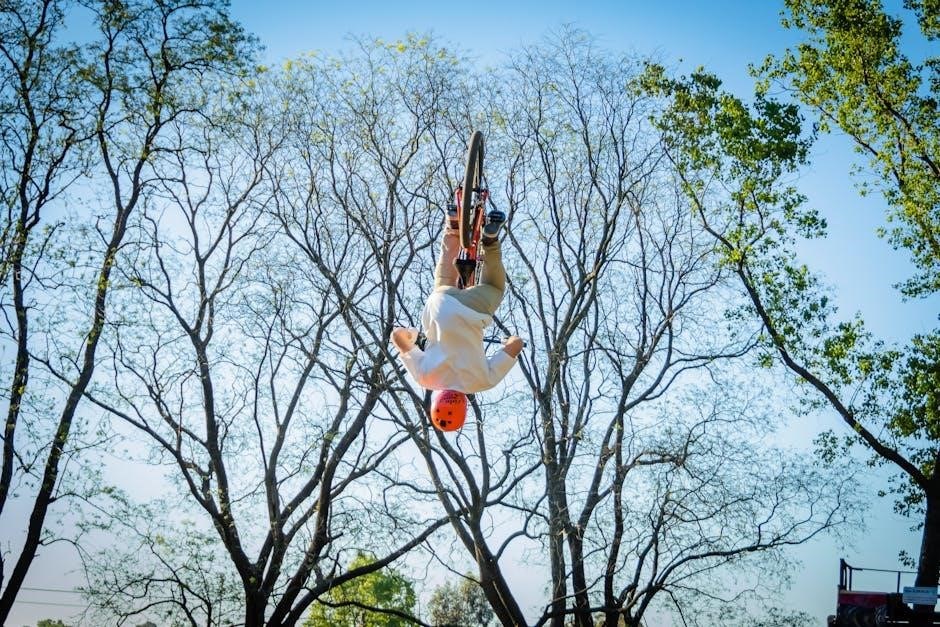
How to Measure Yourself for a BMX Frame
Accurate self-measurement, including inseam and reach calculation, is vital for selecting the correct BMX frame size, ensuring optimal fit and performance.
Measuring Your Inseam

To accurately determine your inseam, stand with your back against a wall, wearing shoes you’d typically ride in. Place a book between your legs, snugly against your crotch, mimicking a bike seat. Have a friend measure the distance from the top of the book to the floor – this is your inseam measurement.
Ensure the measurement is precise, as it’s a primary factor in frame size selection. Double-check the measurement for accuracy. This inseam length will be a key input when consulting BMX frame size charts, helping you pinpoint the ideal top tube length for your height and riding style. Accurate inseam measurement is paramount for a comfortable and controlled ride.
Calculating Reach
Reach, the horizontal distance from the bottom bracket to the head tube, significantly impacts handling and comfort. While not directly measured at home, it’s derived from top tube length and head tube angle. A longer reach generally provides more stability, ideal for faster riding, while a shorter reach offers quicker, more responsive steering.
Consider your arm length and preferred riding position when assessing reach. Online calculators can estimate reach based on your inseam and desired top tube length. Understanding reach helps fine-tune frame selection beyond just height, ensuring optimal control and a personalized fit for your BMX experience.

Trying Before You Buy: Test Rides & Local Bike Shops
A test ride is invaluable for confirming fit and feel; expert advice from local bike shops ensures you select the perfect BMX frame size.
The Importance of a Test Ride
Before committing to a BMX frame, a test ride is absolutely essential. Online resources and size charts offer guidance, but they can’t replicate the feeling of actually riding the bike. A test ride allows you to assess how the frame’s geometry – top tube length, chainstay length, and head tube angle – interacts with your body and riding style.
Pay attention to how comfortable you feel maneuvering, jumping, and performing basic tricks. Does the bike feel responsive and controlled? Is the reach comfortable, or are you feeling cramped or stretched out? A proper fit will boost your confidence and allow you to progress faster. Don’t hesitate to try different frame sizes and styles to find what suits you best.
Seeking Expert Advice at a Bike Shop
Local bike shops are invaluable resources when navigating BMX frame sizing. Experienced staff can offer personalized recommendations based on your height, riding style, and skill level. They can accurately measure you and explain how different frame geometries will affect your riding experience.
Don’t be afraid to ask questions and discuss your needs openly. A good bike shop will allow you to test ride various frames and components, helping you find the perfect fit. They can also advise on compatible wheel sizes and materials, ensuring you make an informed decision. Their expertise can save you time and frustration.

Common BMX Frame Materials & Their Impact on Size/Feel
Chromoly steel offers durability and a responsive feel, while aluminum provides a lightweight alternative, impacting the bike’s overall handling characteristics.
Chromoly Steel ‒ Durability and Weight
Chromoly steel, a popular choice for BMX frames, is renowned for its exceptional durability and strength; This alloy, a combination of chromium and molybdenum with steel, provides a fantastic balance between being able to withstand significant impacts and maintaining a reasonable weight. Compared to higher-tensile steel, chromoly offers a superior strength-to-weight ratio, making it ideal for riders who demand performance and longevity from their bikes.
Frames constructed from chromoly tend to feel more responsive and offer a more comfortable ride quality, absorbing some of the vibrations from rough terrain. While slightly heavier than aluminum frames, the added durability often outweighs this concern for many BMX enthusiasts, especially those engaging in aggressive street or park riding where frame integrity is paramount.
Aluminum ⸺ Lightweight and Responsive
Aluminum BMX frames are celebrated for their lightweight nature and responsive handling characteristics. This makes them a favored option for riders prioritizing agility and quick acceleration, particularly in park and flatland disciplines. Aluminum’s lower density compared to steel translates to a noticeable weight reduction, easing maneuvers and reducing rider fatigue during extended sessions.
However, it’s important to note that aluminum generally isn’t as durable as chromoly steel. While modern aluminum alloys have improved significantly, they are more susceptible to bending or fracturing under extreme stress. Despite this, aluminum frames offer a fantastic balance of performance and affordability, making them accessible to a wider range of riders.
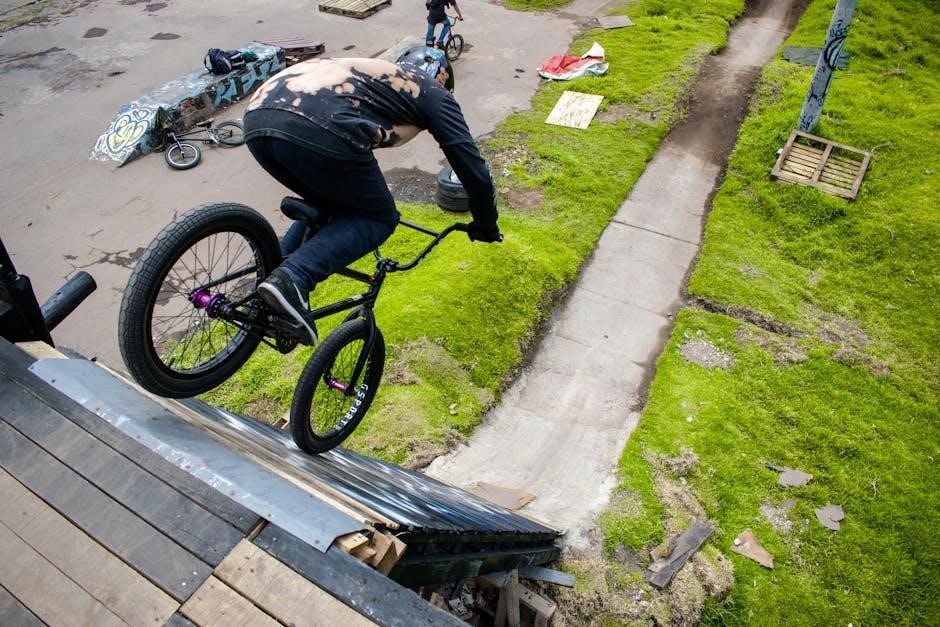
Resources for Further Research
Explore online BMX frame size calculators and engage with vibrant BMX forums and communities for personalized advice and insights from experienced riders.
Online BMX Frame Size Calculators
Numerous websites offer BMX frame size calculators, providing a convenient starting point for determining your ideal frame geometry. These tools typically request your height, inseam length, and sometimes your riding style preferences to generate a recommended top tube length and overall frame size. While incredibly helpful, remember these calculators offer estimations; individual preferences and riding styles significantly impact the perfect fit.
Always cross-reference calculator results with official size charts from BMX frame manufacturers and consider seeking advice from experienced riders or local bike shop professionals for a more personalized recommendation. Don’t solely rely on automated tools – they are best used as a guide, not a definitive answer.
BMX Forums and Communities
Engaging with online BMX forums and communities provides invaluable insights from experienced riders regarding frame sizing. These platforms host discussions where individuals share their personal experiences, preferences, and advice based on various body types and riding styles. You can find detailed threads dedicated to specific frame brands, geometry comparisons, and fitment issues.
Actively participating and asking questions allows you to receive tailored recommendations and learn from the collective knowledge of the BMX community. Remember to provide detailed information about your height, inseam, and riding discipline to get the most relevant responses.