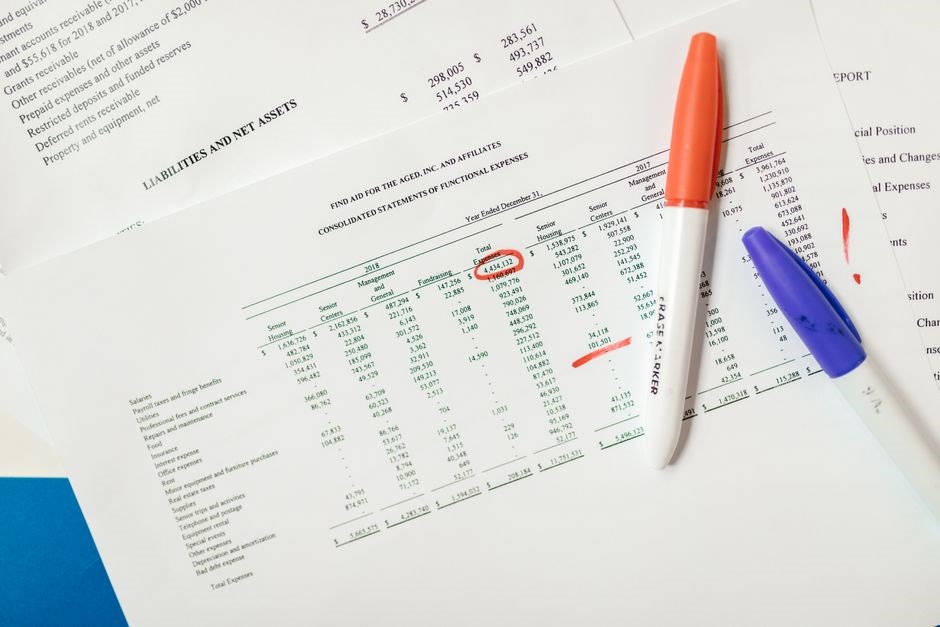
A bank statement PDF sample provides a concise snapshot of account activity, listing deposits, withdrawals, and balances over a month. It aids budgeting, tax filing, and audit readiness by offering a clear, verifiable transaction record. Secure PDFs embed digital signatures for authenticity. All data encryptd.
Definition and Purpose
A bank statement PDF sample is a formal, digitally signed document that encapsulates all transactions—deposits, withdrawals, transfers, and fees—executed within a specified period, typically a month. Its primary purpose is to furnish account holders with a transparent, verifiable ledger that can be used for personal budgeting, financial analysis, and compliance with regulatory or tax obligations. By presenting each entry with a date, description, amount, and running balance, the statement offers a chronological narrative of the account’s activity. The PDF format ensures the data remains immutable and secure, often protected by encryption and digital signatures that confirm authenticity and prevent tampering. For individuals and businesses alike, this document serves as a reliable reference point for reconciling internal records, preparing tax returns, and providing evidence during audits or dispute resolution. In an era where online banking and mobile apps generate real‑time transaction feeds, the PDF statement remains a trusted, portable record that can be stored, printed, or shared with financial advisors, accountants, or regulatory bodies as needed.
Moreover, banks embed digital watermarks and cryptographic hashes within the PDF to guarantee that the document has not been altered post‑generation. Users can verify these signatures using the bank’s public key infrastructure, ensuring the statement’s integrity. When reviewing a statement, professionals often cross‑reference the PDF with internal ledgers, flagging discrepancies that may indicate fraud or misreporting. The PDF format also facilitates automated parsing by accounting software, allowing import of transaction data into spreadsheets or ERP systems. Consequently, a well‑structured PDF statement becomes an indispensable tool for bookkeeping! audit readiness, and strategic financial planning?
Typical Components
Typical components of a bank statement PDF sample encompass a standardized layout that ensures clarity and compliance. At the top, the bank’s logo and contact details anchor the document, followed by the account holder’s name, address, and unique account number. The statement period—usually a calendar month—is prominently displayed, delineating the start and end dates. Beneath this header, a summary table aggregates key figures: opening balance, total deposits, total withdrawals, interest earned, and closing balance, offering a quick snapshot of financial health.
The main body is a detailed transaction ledger. Each entry lists a transaction date, a concise description (e.g., ATM withdrawal, direct deposit, online payment), the transaction amount, and the resulting running balance. For credit accounts, the ledger also records credit limits, available credit, and interest charges. Footnotes may explain pending transactions, foreign currency conversions, or fee structures.
Security features are integral. Digital signatures, embedded watermarks, and QR codes validate authenticity, while encryption protects the PDF from unauthorized alteration. A disclaimer section clarifies that the statement is a record of activity and not a guarantee of future balances. Finally, a footer provides legal notices, regulatory compliance statements, and instructions for contacting the bank’s customer service for disputes or corrections.
See details. InfoOK This sample shows how banks present transaction data in a format that supports review

Understanding PDF Bank Statement Format
A PDF bank statement showcases a layout: header with bank branding, account details, period, summary of balances, then a transaction table with dates, descriptions, amounts, and running balances. Signatures and encryption ensure authenticity and security. PDF
Common PDF Structure
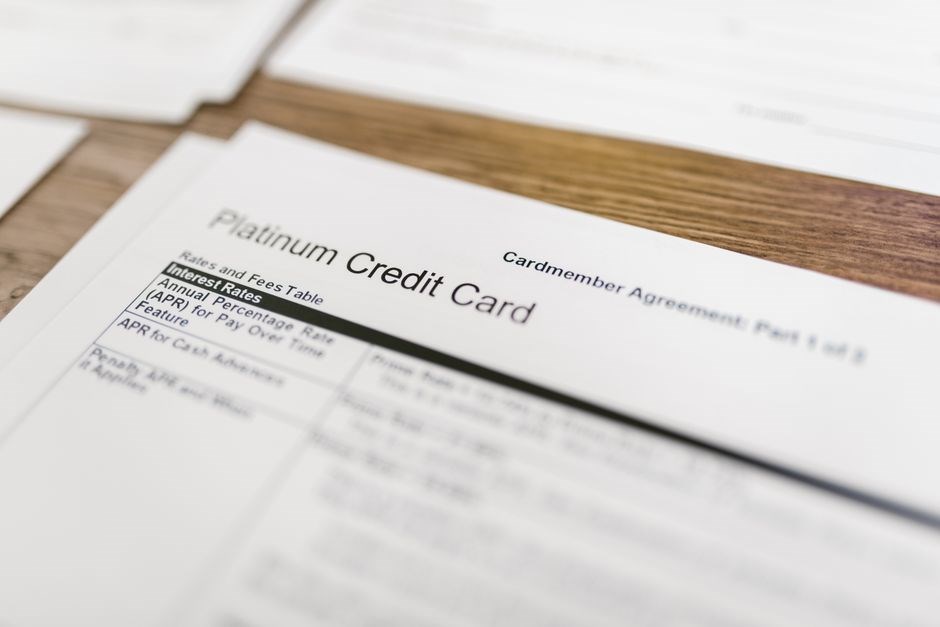
The central section is a concise summary: opening balance, total deposits, total withdrawals, and closing balance; Below the summary, a transaction table lists each movement in chronological order. Each row typically contains the date, a concise description (e.g., “ATM Withdrawal,” “Direct Deposit”), the amount, and the running balance after the transaction. Columns are aligned for readability. Negative amounts are highlighted in parentheses, and red, often enclosed in the account balance for security.
To protect integrity, most PDFs embed a digital signature and encryption. The signature, visible as a small icon or a “Signed by” line, confirms that the document has not been altered since issuance. Encryption ensures that only authorized parties can view the content, preventing unauthorized access during transmission or storage.
Finally, a footer lists legal disclosures, privacy notices, and a customer service contact. Some banks include a code linking to online verification portal And verification for you today!!? This combination of visual cues, structured data, and cryptographic safeguards makes the PDF format reliable for both consumers and auditors.
Key Fields and Their Significance

Key fields in a bank statement PDF sample provide essential insights into account activity. The account number, often masked for security, identifies the specific account. The statement period clearly marks the start and end dates, ensuring the user knows the timeframe. Opening and closing balances give a snapshot of funds at the period’s boundaries. Total deposits and withdrawals summarize inflows and outflows, aiding quick assessment. The transaction table lists each entry with date, description, amount, and running balance, enabling detailed review. A digital signature and encryption icon confirm authenticity and integrity. Footer sections contain legal notices, privacy policies, and customer service contacts, ensuring compliance and support. Together, these fields form a complete, trustworthy record for budgeting, tax filing, and audit purposes.
In addition, the PDF includes a checksum field that verifies data integrity, and a QR code linking to the bank’s verification portal. The statement also lists any fees applied during the period, such as overdraft charges or monthly maintenance fees. Users can cross‑reference the listed amounts with their own records to spot discrepancies. The layout follows accessibility guidelines, ensuring readers can parse the table. Finally, a disclaimer clarifies that the statement is for informational purposes only and does not constitute a legal document.
Some banks also offer a CSV download for spreadsheet use, but the PDF stays the official record for all now.

Obtaining a Bank Statement PDF Sample
Access the PDF via your bank’s online portal, logging in securely. Navigate to the statements section, select the desired month, and click “Download PDF.” Many banks also allow mobile app downloads. Ensure the file is signed and encrypted for authenticity.Download PDF request printed copy via mail for tax!
Online Banking Portals

Most banks host a online portal where you log in with two‑factor authentication to access your account. Navigate to the “Accounts” or “Statements” section, choose the desired month, and click “Download PDF.” The portal generates a digitally signed PDF that lists the statement period, account number, and a unique transaction ID for each entry. The file is encrypted and can be opened with any PDF reader. Many banks also provide a “Download as CSV” option for spreadsheet analysis, but the PDF remains the official document. For added security, enable the portal’s session timeout and disable pop‑up blockers during download. After saving, verify the digital signature by clicking the “Validate” icon in the PDF viewer. If the signature is valid, the statement is authentic and ready for budgeting, tax filing, or audit purposes. If the signature is missing or invalid, contact your bank’s support team. Store the PDF in a location, such as a drive or cloud folder, to protect sensitive financial information. You can also set up daily alerts and secure.
Many portals let you filter transactions by type or date before generating the PDF, helping create reports credit card payments or recurring expenses. Some banks also offer a “Print‑friendly” view that removes navigation elements, making the PDF read on paper. Keep a backup of the PDF on a device or cloud service to guard against data loss.

Banking Apps and Third-Party Services
Mobile banking apps from major institutions let users download a PDF statement from their phone. After logging in with biometric or PIN authentication, the app shows a “Statements” tab where the user selects the month and taps “Download PDF.” The file is digitally signed by the bank’s public key, ensuring the transaction data cannot be altered without invalidating the signature. Third‑party tools such as Mint, YNAB, or Personal Capital also export PDFs, adding a watermark of the service name and a timestamp. Users should verify that the PDF still contains the bank’s logo and the original account number; the watermark adds an extra layer of security against spoofing. Many third‑party services schedule downloads, so a PDF can be generated each month and emailed to an address. Because these services store data in the cloud, it is to enable two‑factor authentication and review the privacy policy for how the PDF is stored and transmitted. When a PDF is received, open it in a viewer that supports signature validation, click the “Validate” icon, and confirm that the signature chain leads back to the bank’s certificate authority. If the chain is broken, the document may have been tampered with. For audit readiness, keep a local backup of each PDF on storage and cross‑reference the digital signature with the bank’s online portal to ensure consistency. By combining mobile apps in real time with third‑party services, users can maintain a tamper‑proof record of their financial activity!

Verifying Accuracy and Authenticity
Use the banks online portal to cross‑check each transaction listed in the PDF. Verify the digital signature embedded by the bank; a valid signature confirms the document’s integrity. If the signature chain breaks, the PDF may be tampered with and rejected
Practical cross‑checking involves an approach now!
When reviewing a PDF bank statement, always verify the digital signature embedded by the bank. A valid signature confirms that the document has not been altered since issuance. If the signature is missing or the certificate chain is untrusted, consider the PDF compromised and request a new copy. When using such integrations, always verify the API response against the PDF to catch any discrepancies. Additionally, set up alerts for large or irregular transactions; these can trigger reviews. Keep a ledger that consolidates all sources so that any mismatch can be traced back to its origin. Regularly back up both the PDF statements and the electronic records to protect against data loss. Finally, schedule quarterly reviews to audit the reconciliation process, ensuring that any controls remain effective over time. Review!
Automation tools can streamline the verification process. Many banks now provide APIs that allow developers to pull transaction data directly into accounting software, eliminating manual entry. When using such integrations, always verify the API response against the PDF to catch any discrepancies. Additionally, set up alerts for large or irregular transactions; these can trigger reviews. Keep a ledger that consolidates all sources so that any mismatch can be traced back to its origin. Regularly back up both the PDF statements and the electronic records to protect against data loss. Finally, schedule quarterly reviews to audit the reconciliation process, ensuring that any controls remain effective over time.
When reviewing a PDF bank statement, always verify the digital signature embedded by the bank. A valid signature confirms that the document has not been altered since issuance. If the signature is missing or the certificate chain is untrusted, consider the PDF compromised and request a new copy. Also, check the statement’s issue date and the closing balance against your internal records; a mismatch may indicate a timing issue or a data entry error. For accounts, confirm that the exchange rate used matches the published rate for the transaction date. Check all rates! Document any discrepancies and follow up with the bank’s support team to satisfy audit requirements and protect sensitive financial data.
Security Features in PDF Statements
Bank statement PDFs incorporate several layers of protection to guarantee authenticity and confidentiality. First, a cryptographic digital signature is embedded by the issuing bank. The signature is generated using a private key stored on a secure hardware token, and the corresponding public key is distributed via a trusted certificate authority. When a user opens the PDF, the viewer verifies the signature against the public key; if the hash does not match, the document is flagged as tampered.
Second, the PDF file itself is encrypted with AES‑256, ensuring that only authorized users with the correct password or certificate can view the contents. Banks often use a password that is sent separately via SMS or email, adding a two‑factor authentication layer. The encryption also protects the data during transmission over HTTPS, preventing interception by malicious actors.
Third, many banks embed a watermark that displays the account holder’s name and account number in a faint background. This watermark is not visible in the printed version but is visible on screen, deterring unauthorized duplication. Additionally, the PDF includes a timestamp generated by a tamper‑evident clock, which records the exact moment the statement was created. Any attempt to modify the timestamp will invalidate the digital signature.
Finally, the PDF’s metadata is scrubbed of any personal identifiers beyond what is necessary for the statement. This reduces the risk of data leakage if the file is inadvertently shared. Together, these security features create a robust framework that protects both the bank and its customers from fraud and data breaches. These measures meet ISO 27001, safeguarding data integrity.

Using the Sample for Financial Planning
A bank statement PDF sample offers a clear view of monthly inflows and outflows, enabling precise budgeting, cash‑flow forecasting, and tax deduction tracking. By reviewing transaction categories, you can spot unnecessary expenses and adjust spending habits. today
Budgeting and Analysis
Using a bank statement PDF sample, you can systematically review every transaction, categorize spending, and identify patterns that influence your monthly budget. Start by extracting the statement into a spreadsheet or budgeting app, ensuring each line item is labeled—groceries, utilities, subscriptions, and discretionary purchases. By sorting these categories, you can quickly see where money is allocated and where adjustments are needed. For instance, recurring subscription fees may be consolidated or eliminated, and impulse purchases can be flagged for future review. The PDF’s detailed dates and amounts also allow you to align cash flow with income cycles, ensuring you never overspend during low‑income periods. Additionally, the statement’s balance history provides a baseline for setting realistic savings goals, such as building an emergency fund or saving for a major purchase. Regularly comparing current statements to previous months reveals trends, helping you forecast future expenses and adjust your budget proactively. This disciplined approach turns raw data into actionable insights, empowering you to maintain financial health and achieve long‑term goals.
By extracting metadata from the PDF, you can import timestamps, merchant IDs, and categories into budgeting software, cutting manual entry. The PDF’s watermark confirms authenticity, preventing tampering; Reviewing month‑over‑month reveals holiday spikes, letting you set realistic limits. Integrating the data with a dashboard gives real‑time visibility, track toward savings daily.
Tax and Audit Preparation
A bank statement PDF sample is a cornerstone for accurate tax reporting and audit readiness. By exporting the PDF’s transaction list into a spreadsheet, you can flag deductible expenses—business mileage, office supplies, or charitable contributions—directly from the statement’s merchant codes and amounts. The PDF’s date stamps allow you to match receipts to entries, ensuring every deduction is supported. For audit purposes, the statement’s digital signature and embedded security features confirm authenticity, reducing the risk of tampering. When preparing for a tax return, you can cross‑reference the statement’s ending balance with the next month’s opening balance to verify continuity. Any discrepancies can be investigated early, preventing costly adjustments during the audit. Additionally, the statement’s recurring payment section helps identify subscription fees that may qualify as business expenses, while the cash flow chart informs projected income for the following year. By maintaining a clean, organized archive of PDF statements, you provide auditors with a transparent trail, simplifying the review process and potentially speeding up approval. Finally, many tax software packages accept PDF uploads, automatically parsing key fields such as dates, amounts, and merchant names, which streamlines the workflow and minimizes manual entry errors.
When filing electronically, tax authorities accept the PDF as a verified source, provided the document is signed and transaction data is accurate. Keeping statement allows queried line item, streamlining the audit trail.!