
Learn to drive a scooter with ease, start with basics, and ensure a valid license.

Getting Started with Scooter Riding
To begin, find a quiet and open area, such as an empty parking lot, to practice riding without obstacles or traffic. Start by getting familiar with the scooter’s controls, including the throttle, brakes, and gears, if applicable. Make sure to wear proper protective gear, including a helmet, knee pads, and elbow pads, to ensure a safe riding experience. It is also essential to check the scooter’s condition before riding, including the tire pressure, brake pads, and oil levels. By following these steps, you can confidently begin your scooter riding journey and enjoy the freedom of riding a scooter.
Additionally, consider watching online tutorials or taking a riding course to learn more about scooter riding techniques and safety tips. Many online resources, such as YouTube videos and riding forums, offer valuable information and advice from experienced riders. Remember to always follow traffic rules and regulations in your area, and never ride under the influence of alcohol or drugs. With practice and patience, you can become a skilled and confident scooter rider.
Understanding the Basics of Scooter Operation
The engine is the heart of the scooter, and understanding how it works is crucial for safe and efficient operation. The throttle controls the speed of the scooter, while the brakes are used to slow or stop the vehicle. The gears, if applicable, allow the rider to adjust the scooter’s speed and torque to suit different riding conditions. It is also important to understand the concept of balance and weight distribution on a scooter, as this affects the vehicle’s stability and handling. By grasping these fundamentals, riders can confidently operate their scooters and enjoy a safe and rewarding riding experience.
Familiarizing yourself with the scooter’s instruments and controls is also essential for understanding the basics of scooter operation. The speedometer displays the scooter’s speed, while the fuel gauge indicates the fuel level. The horn and headlights are used for visibility and safety. By understanding the function of each control and instrument, riders can effectively operate their scooters and respond to different riding situations.
Pre-Ride Checks and Safety Precautions
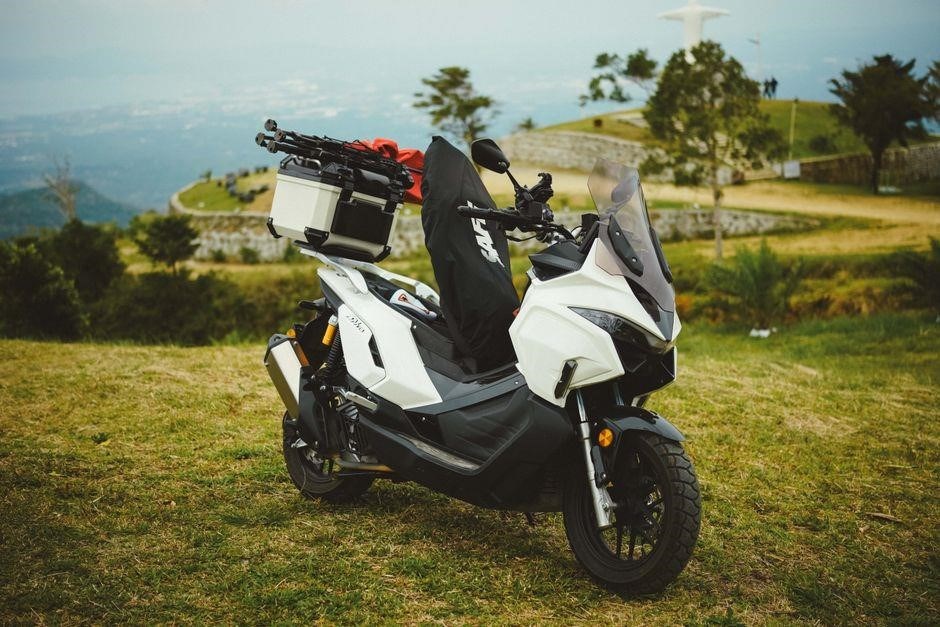
Before riding, check the tire pressure, brake pads, and lights to ensure a safe ride.

Ensuring Proper Scooter Maintenance
Regular maintenance is crucial for a smooth ride. Check the owner’s manual for guidelines on oil changes, tire pressure, and brake pad replacement. A well-maintained scooter is safer and more reliable. Additionally, cleaning the scooter regularly can help prevent damage and extend its lifespan. It’s also important to check the chain or belt for wear and tear and to replace it when necessary. By following these tips, you can help ensure your scooter runs smoothly and efficiently. Regular checks can also help you identify potential problems before they become major issues. This can help you save time and money in the long run. Furthermore, a well-maintained scooter can also improve your overall riding experience. So, make sure to stay on top of your scooter’s maintenance needs to get the most out of your ride.
Wearing Protective Gear and Following Traffic Rules
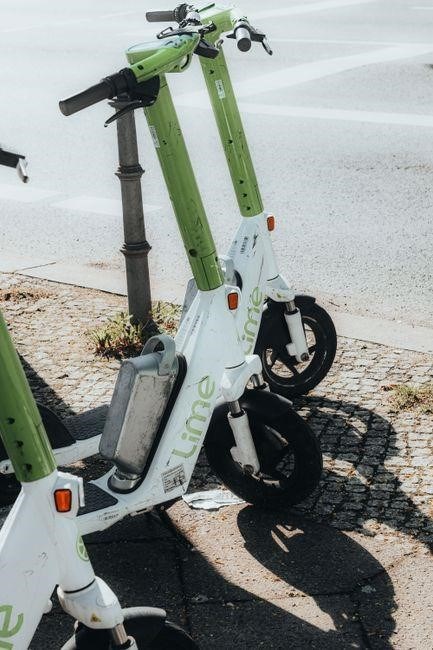
Always wear protective gear, including a helmet, knee pads, and elbow pads, to ensure safety. Follow traffic rules, such as stop signs and traffic lights, to avoid accidents. Be aware of your surroundings and yield to pedestrians and other vehicles. Use hand signals to indicate turns and lane changes. Stay informed about local traffic laws and regulations to ride safely and responsibly. Additionally, be visible to other drivers by wearing bright clothing and using reflective gear. By following these rules and guidelines, you can help prevent accidents and stay safe on the road. Remember to always check your mirrors and blind spots before making a turn or changing lanes. This will help you stay aware of your surroundings and avoid potential hazards. Stay focused and alert while driving to ensure a safe and enjoyable ride.
Mastering Scooter Controls and Handling
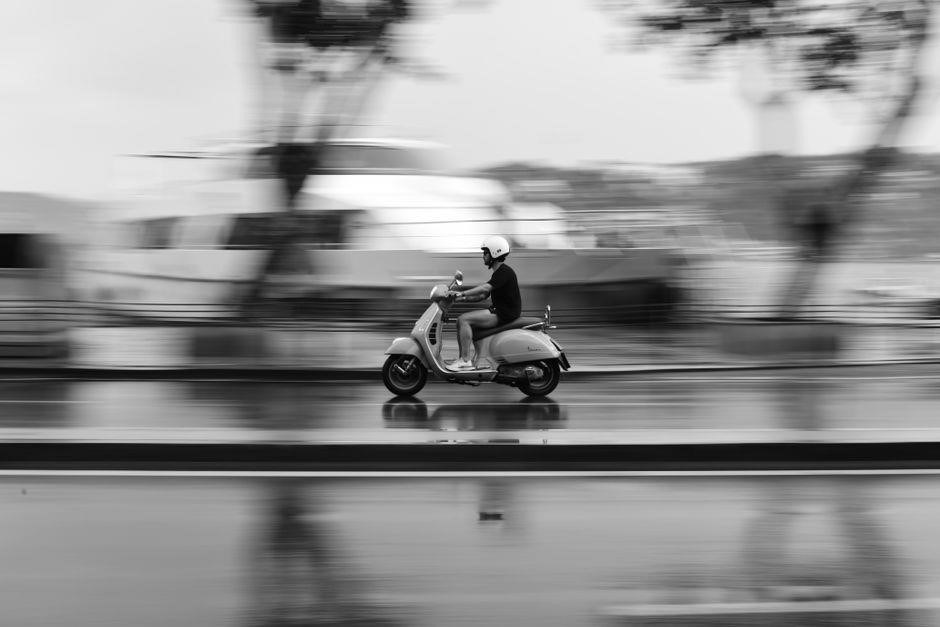
Learn to control your scooter with ease, using throttle and brakes to maneuver safely.
Learning to Turn On and Off the Engine
To start the engine, insert the key and turn it clockwise, then press the ignition button.
To stop the engine, press the kill switch or turn the key counterclockwise.
Always refer to your scooter manual for specific instructions on turning the engine on and off.
It’s essential to familiarize yourself with the location and function of the ignition, kill switch, and key to ensure safe and easy engine operation.
Remember to practice turning the engine on and off in a safe and controlled environment to build confidence and muscle memory.
By following these steps and tips, you’ll be well on your way to mastering the basics of scooter engine operation.
Understanding Hand Signals and Basic Maneuvers
When driving a scooter, it’s essential to use hand signals to indicate your intentions to other road users. Use your left arm to signal left turns and your right arm to signal right turns. To signal slowing down or stopping, use your downward palm gesture. Basic maneuvers include turning, merging, and changing lanes. Always check your mirrors and blind spots before making any maneuver. It’s crucial to follow local traffic laws and regulations regarding hand signals and basic maneuvers. By mastering these skills, you’ll become a more confident and competent scooter driver. Remember to practice these maneuvers in a safe and controlled environment to develop muscle memory and improve your overall driving skills. This will help you to enjoy a safe and stress-free riding experience.
Riding Techniques for Beginners
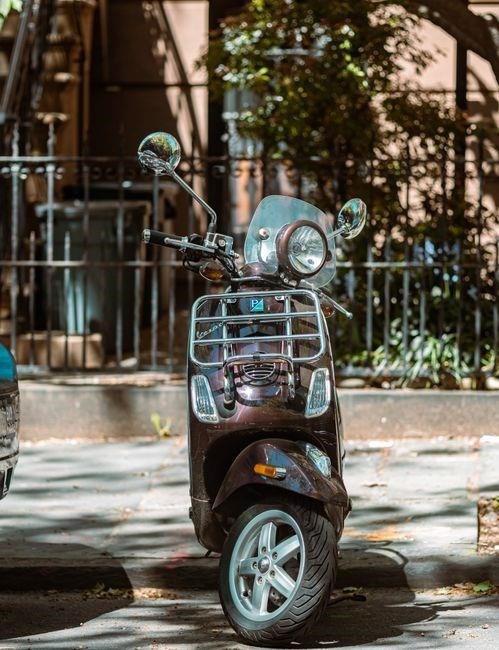
Start with quiet neighborhoods and empty parking lots to practice balance and control of your scooter.
Practicing Balance and Coordination on a Scooter
To improve balance, try standing on the scooter with both feet on the footboard, then lift one foot and hold for a few seconds. Repeat this exercise several times to develop your balance and coordination. As you become more comfortable, try gliding slowly on the scooter, using your body weight to steer and balance. Remember to always wear protective gear, including a helmet, knee pads, and elbow pads, to ensure your safety while practicing.
Learning to Turn, Brake, and Accelerate Safely
When turning, look through the turn to where you want to go, not at the ground immediately in front of you. Lean with the scooter, keeping your body upright relative to the road surface. To brake, use the brake levers smoothly and gradually, avoiding sudden stops. When accelerating, use the throttle gently and progressively, taking care not to lose control. Always be aware of your surroundings and anticipate the actions of other road users. By following these tips and practicing regularly, you can become a confident and safe scooter rider.
- Use smooth and gentle movements when turning or braking.
- Keep your eyes on the road ahead and stay alert.


Advanced Riding Techniques and Tips
Master U-turns, parking, and backing up with ease and confidence, using proper techniques and hand signals.
Mastering U-Turns, Parking, and Backing Up
To master U-turns, parking, and backing up, practice in a quiet area with minimal traffic. Use proper hand signals and check mirrors regularly. When parking, choose a flat surface and engage the brake. For backing up, look over your shoulder and use slow, gentle movements. Remember to stay calm and focused on the road. With patience and practice, you’ll become a pro at these essential skills, and be able to navigate any road with confidence and ease, using your scooter to its full potential, and always following the rules of the road.
Improving Confidence and Comfort on the Road
Improving confidence and comfort on the road requires practice and patience. Start by riding in quiet neighborhoods and gradually move to busier streets. Focus on developing good habits, such as checking mirrors and using hand signals. As you become more comfortable, try new routes and challenging terrain. Remember to stay relaxed and enjoy the ride, taking in the scenery and experiencing the thrill of riding a scooter. With time and practice, you’ll become a confident and comfortable rider, able to navigate any road with ease and precision, and always following the rules of the road to ensure a safe and enjoyable ride.
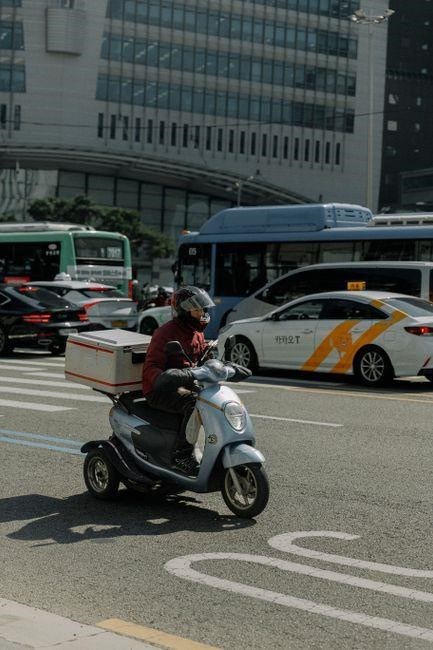
Real-World Riding Scenarios and Challenges
Face real-world challenges, such as obstacles and emergency situations, with confidence and skill, using proper techniques to stay safe.
Navigating Quiet Neighborhoods and Busy Streets
When navigating quiet neighborhoods, start slow and get comfortable with your scooter. As you progress to busy streets, stay alert and follow traffic rules. Use hand signals to indicate your intentions and be mindful of pedestrians and other vehicles. Practice turning, braking, and accelerating in different scenarios to build your confidence and skills. Remember to look through the turn to where you want to go, not at the ground immediately in front of you, and lean with the scooter while keeping your body upright relative to the road surface. By mastering these skills, you’ll be able to navigate quiet neighborhoods and busy streets with ease and confidence, and enjoy the freedom of riding a scooter.
- Start slow in quiet neighborhoods
- Stay alert on busy streets
- Follow traffic rules and use hand signals
With practice and patience, you’ll become a proficient scooter rider, able to navigate any road with ease and confidence.
Dealing with Obstacles and Emergency Situations
When encountering obstacles, such as potholes or debris, slow down and use caution. In emergency situations, like a flat tire or mechanical failure, remain calm and follow proper procedures. Know how to change a tire or perform basic repairs to get back on the road. Be aware of your surroundings and anticipate potential hazards, such as slick roads or inclement weather. By being prepared and knowing how to respond to obstacles and emergencies, you can minimize risks and stay safe on the road.
- Slow down when encountering obstacles
- Use caution in emergency situations
- Know how to perform basic repairs
Remember to stay alert and be aware of your surroundings at all times, and never ride when tired or distracted. By following these tips, you can reduce your risk of being involved in an accident and stay safe on the road, and enjoy the freedom of riding a scooter with confidence and peace of mind.